The Spanish conquest of Mexico brought a big mix of cultures (Mestizaje). Two cultures mixed in many parts of daily life, especially in the kitchen. This was less about one culture winning, and more about a union that made both cultures richer.
We often talk about the important foods, tools, and cooking methods the Spanish brought to Mexico. But the opposite also happened: the Spanish took many native products back to Spain. And those who stayed in Aztec lands added Mexican foods and methods to their Spanish cooking.
The Union of Two Cultures
Mexican cuisine shows how local foods—like grains and legumes from the New World—joined the products the Spanish brought to America.
We can see this mix, perhaps for the first time, in a victory banquet held by Hernán Cortés. Bernal Díaz del Castillo wrote about it: “Pigs and wine had arrived for them. None of these things were known there. But there was not yet any flour or wheat… So, they had to eat pork with this corn ‘bread’ (tortillas), which was the main food of the Indigenous people.”
As you can see, the Spanish slowly started to eat the different grains they found in Mexico.
Corn for the Spanish
At first, the Spanish did not have wheat, which was their daily food. So, they had to eat corn-based products, mainly tortillas.
Corn was not popular in Spain. It was first used as feed for animals. Later, farmers grew it in their gardens for people to eat. But this was not because Europeans liked the taste; it was because corn was free from taxes (tithes) paid to the lords and the Church. Because of this, only the poorest people in Spain ate corn.
Though the local markets surprised the Spanish, most did not stop eating their home country’s food. Soon, they brought European plants and animals to the continent.
Cacao: The Seed that Conquered Europe
Besides corn, cacao was another very important product. After the Conquest of Mexico, cacao traveled by ship from New Spain to the Spanish coast. By the 17th century, it sailed regularly from the port of Veracruz, starting a trade route that served the new demand in Spain, and later, in Europe.
After Cortés brought it to Spain, cacao had a mixed history, often used by high-society women even inside churches. From the very start, chocolate was sweetened with sugar cane, mixing ingredients from both continents.
In pre-Columbian America, chocolate was made with chilies. It was a bitter and spicy drink that the Spanish conquerors did not like at first. They quickly added sugar from the Iberian Peninsula and started drinking it hot.
In Spain, chocolate was mostly seen as a comforting drink and was rarely used in other recipes. However, chocolate did not spread across Europe quickly. While it was a valuable item for high-society Spanish people in the 16th century, people in other countries were not impressed. The Italian Girolamo Benzoni wrote that chocolate “seems more like a drink for pigs than for people.”
Frijoles: They Need Lard for Frying!
Another important legume in pre-Hispanic Mexico was the frijol (bean). It was part of “the divine triad” along with chili and corn.
In Mexico, beans were a basic food for the Aztecs, who called them ayocotl. When the Spanish arrived, they started calling them frisol, which later became frijol.
During the Conquest, beans were completely unknown in Europe. The Spanish thought they were “strange” at first and did not like them. But hunger makes things better! They started preferring them to the dry or old food that arrived from Spain after the long sea journey.
Today, one of the most famous Spanish dishes is “fabada,” which uses a type of bean. In New Spain, the Spanish brought lard, and people started cooking the famous “frijoles refritos” (refried beans).
Peanut: The Ground Cacao
Another legume Mexico gave to the Spanish diet was the cacahuate (peanut), which started in Central Mexico. The Aztecs called it tlalli cacáhuatl, meaning “ground cacao.” It was very common in the great Tenochtitlán.
We do not know exactly when peanuts started to be used in Spanish cooking. It was not until the 18th century that an archbishop named Francisco Fabián brought it to Spain, where they called it cacahuete. They mainly used it as a snackand for its oil.
Amaranth: The Forbidden Crop
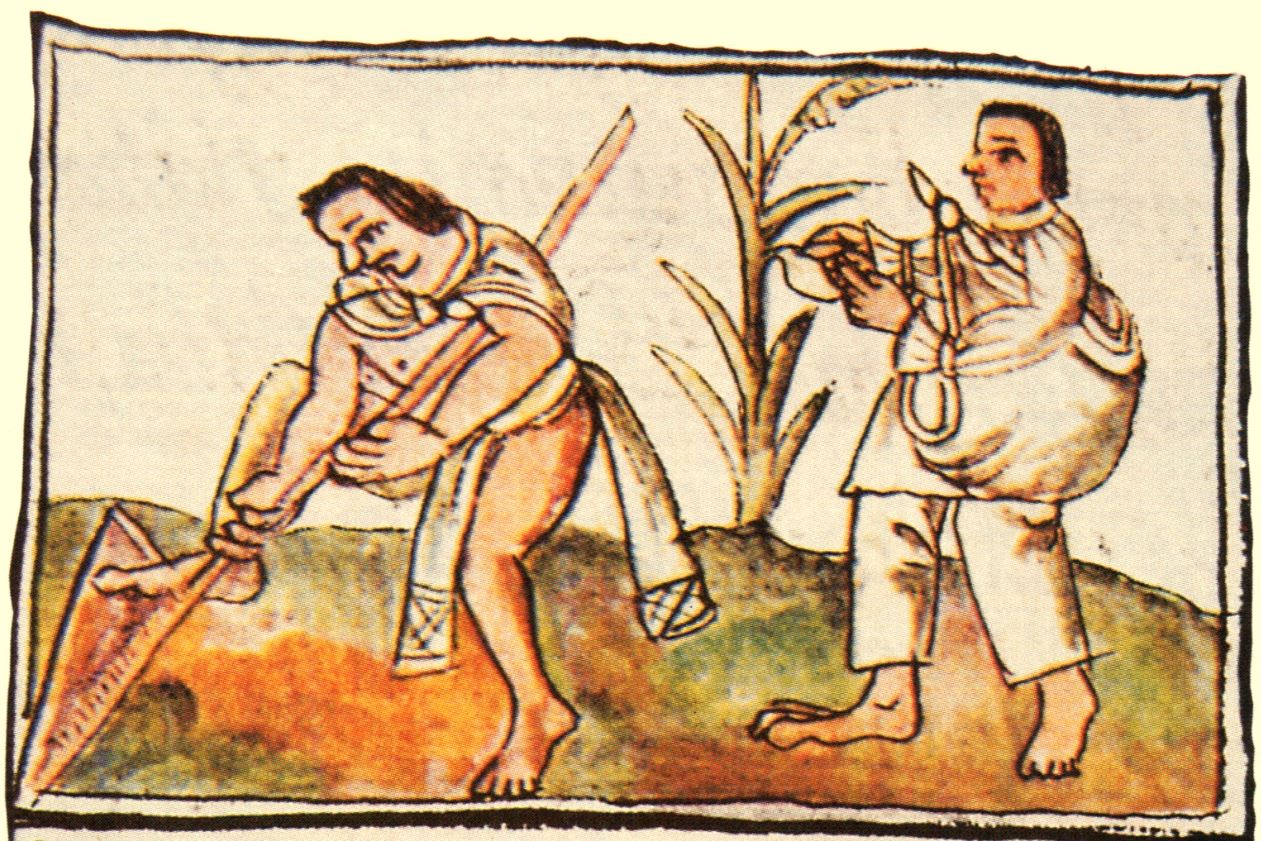
For grains, amaranth was one of the most important in ancient Mexico, grown for over seven thousand years. Amaranth, quinoa, and corn were considered sacred plants. The Spanish forbid the growing of amaranth and quinoa (but not corn, which they used and took to Europe). They disliked the use of these plants in religious rituals.
Corn and beans became key foods that feed the world, but amaranth was forgotten. The Spanish conquest ended its use as a basic food in America, and the Spanish did not include this grain in their meals.
As you can see, Mexico gave the European world many products they did not know before. Grains and legumes like corn, beans, cacao, amaranth, and peanuts were taken to Spain and slowly became part of the Spanish diet, even becoming the base of some of their most famous dishes.
Leave a Reply